Security Intelligence
Executive Protection in Bogota: What a Properly Structured Detail Looks Like
Bogota's real threats to executives are express kidnapping and scopolamine drugging, not headline cartel violence. Here is how a professional EP detail is structured.
Travelling somewhere high-risk? Speak with a security consultant.
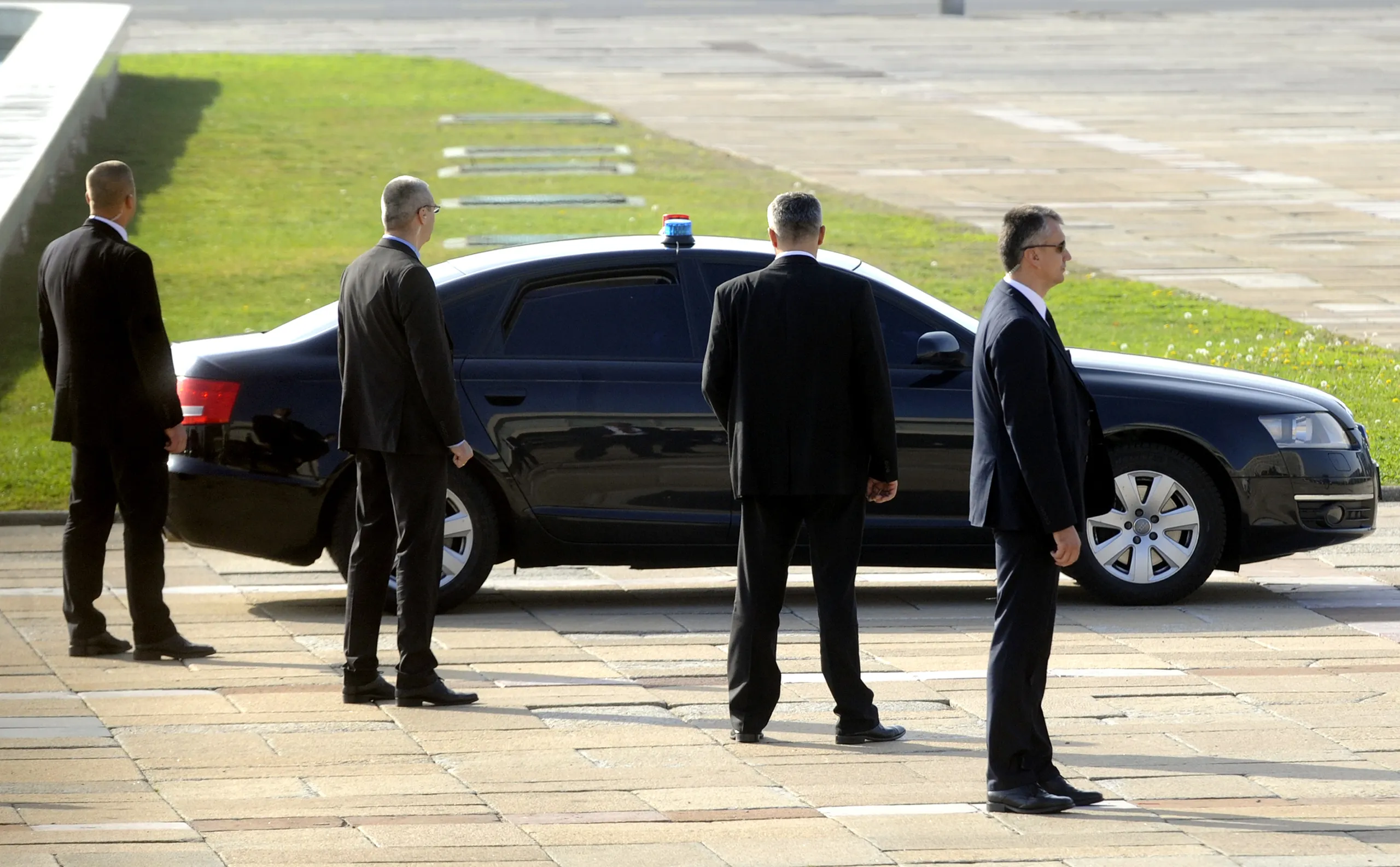
Executive protection in Bogota gets planned around a threat picture that is specific rather than generic, and that specificity is exactly what makes a properly structured detail different from generic personal security.
The threat that actually shapes the job
Bogota’s defining risk for corporate visitors is express kidnapping, paseo millonario, in which a victim is taken into an unofficial taxi or a criminal-controlled vehicle and driven between ATMs over several hours before release. Scopolamine, a drug that renders victims compliant while appearing outwardly normal, features in a meaningful share of these cases, typically administered through drinks, food or physical contact without the victim’s knowledge. Neither threat is rare or theoretical. Both are well-documented in current Colombian National Police reporting and shape almost every decision an executive protection team makes in the city.
Why the entry point is almost always transport
The consistent pattern across documented cases is that the entry point is an unofficial vehicle, waiting outside a hotel, airport, or restaurant. This is precisely why a properly structured Bogota EP detail treats pre-arranged, vetted transport as non-negotiable rather than a nice-to-have, and why street taxis are specifically ruled out for any principal receiving professional protection.
The northern districts are better, not safe
Zona T, Zona G, Usaquen and Parque de la 93 genuinely carry a better security picture than Bogota’s city-wide average, with stronger police presence and established security infrastructure. But the transition from these districts to higher-risk parts of the city, La Candelaria’s tourist-area robbery risk, or the southern districts more broadly, can be abrupt on the ground even where it looks continuous on a map. A well-run detail treats route and venue selection as an active, ongoing decision rather than something settled once at the start of the trip.
What a properly structured detail actually includes
The baseline recommended for executives travelling to Bogota is a security driver trained in anti-kidnap techniques paired with a close protection officer for venue and foot-level security, both operating under current Colombian Superintendencia de Vigilancia y Seguridad Privada (SVSP) credentials, since foreign personnel cannot legally carry firearms in Colombia under any circumstances. Extended or higher-profile assignments typically add advance reconnaissance of every scheduled venue and explicit briefing on scopolamine awareness for any social or evening engagement, since briefing and behaviour, not equipment, are what actually close that particular gap.
For the full Bogota risk and zone breakdown, see our Bogota city briefing, and for the specific ground-transport question, our Bogota security driver overview covers vetted vehicle options in more depth.
Frequently Asked Questions
Request a Consultation
Describe your security requirements below. All enquiries are confidential and handled by licensed consultants.
Your enquiry has been received. A security consultant will contact you within 24 hours to discuss your requirements.