
Travelling somewhere high-risk? Speak with a security consultant.
Event security planning is the process of identifying, assessing, and mitigating the security risks associated with a specific event. The scope ranges from a small corporate dinner requiring minimal additional security to a major international conference requiring extensive planning and a multi-agency security operation.
This guide covers the key components of event security planning applicable to corporate events, private functions, and larger public gatherings.
Threat Assessment
Every event security plan begins with a threat assessment specific to the event. This addresses:
Who is attending? A private corporate dinner with vetted attendees presents a different threat profile from a public conference. A politically sensitive event attracts different threats from a commercial product launch.
Who might target this event? Relevant threat actors include: activists with grievances against the organiser or attendees, organised crime targeting UHNWI attendees, protesters opposed to the event’s purpose, individuals with specific grievances, and general criminal opportunism targeting high-value gatherings.
What is the consequence of a security failure? Harm to attendees, reputational damage to the organiser, disruption of the event’s purpose. The consequence assessment helps calibrate the appropriate security investment.
Venue Assessment
The security team should conduct a physical assessment of the venue before the event:
- Entry and exit points and their control capability
- Perimeter security and access control options
- Sight lines and areas of concealment
- Emergency egress routes for attendees and VIPs
- CCTV coverage and gaps
- Loading areas, service entrances, and secondary access points
- Emergency services access
Access Control
Access control is the primary mechanism for preventing unauthorised persons from accessing the event. Key decisions:
Ticket/credential system. How are authorised attendees identified? Physical tickets, wristbands, credential badges, or app-based systems each have different security profiles.
Search capability. What level of search is appropriate? Walk-through metal detectors, hand wands, bag X-ray, or manual search. The search capability must match the threat assessment.
Entry point capacity. Sufficient entry lanes and search capacity to process attendees at the expected arrival rate. Queuing creates crowd density and vulnerability.
VIP and Executive Security
For events with significant VIP attendance:
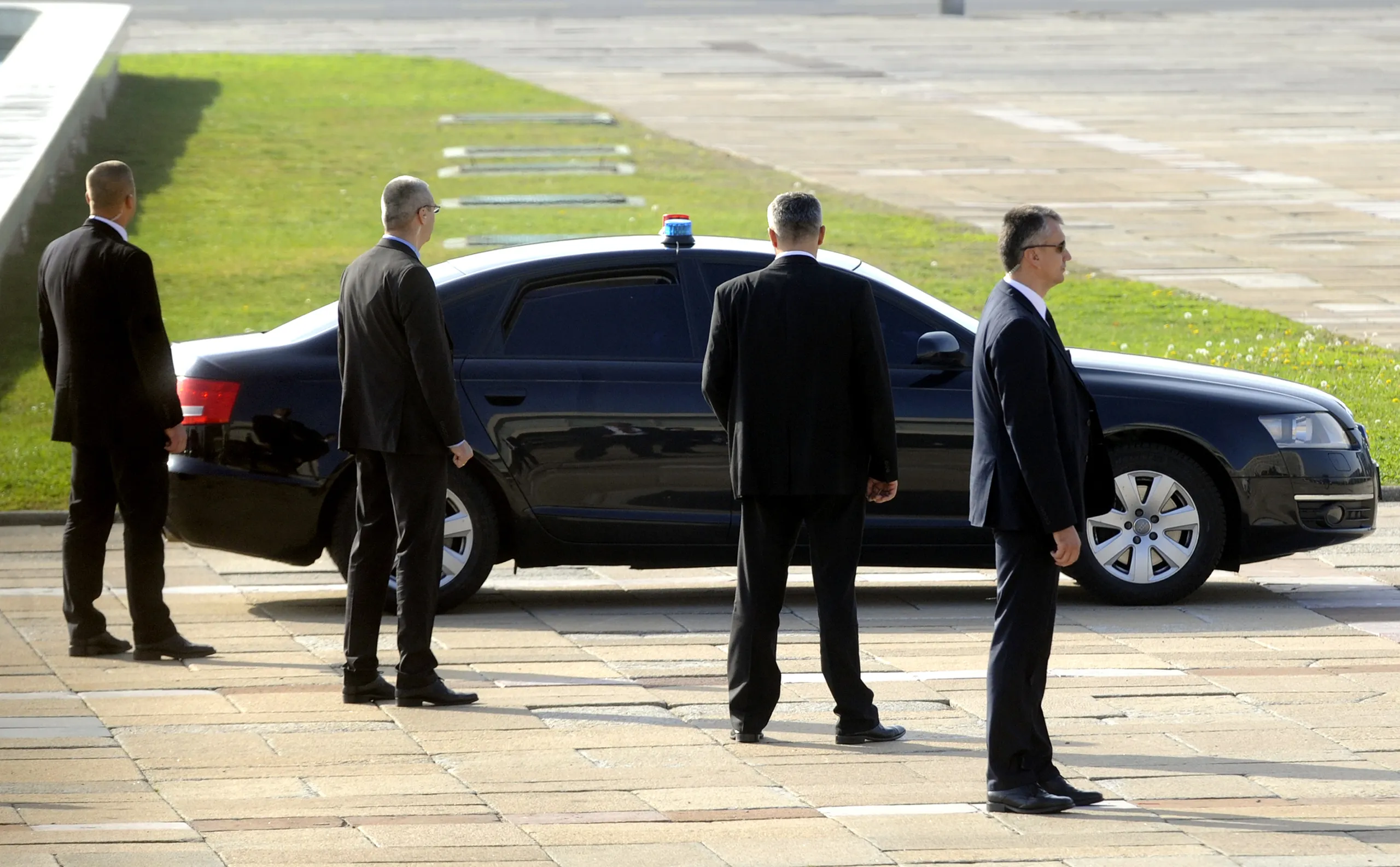
- Separate VIP arrival and departure: not co-located with general attendee flow
- Holding room or green room with restricted access
- Dedicated security detail for principal VIPs
- Coordinated arrival timing to avoid simultaneous high-value arrivals
- Advance work for VIP arrival routes and venue positioning
Emergency Response
The event security plan must include emergency response protocols:
- Medical emergency: first aid capability and escalation to emergency services
- Fire: evacuation routes and marshalling protocols
- Security incident: lockdown or evacuation decision criteria
- Communication: how the security team communicates internally and with emergency services
- Command: who has authority to make emergency decisions and how is this communicated
For professional event security services, see our event security page.
For tailored support on the issues covered here, see our event security service and executive protection service.