Security Intelligence
Close Protection in Singapore: What Corporate Visitors Need to Know
Singapore has one of the lowest violent crime rates in the world and a mature, well-regulated private security industry.
Travelling somewhere high-risk? Speak with a security consultant.
Singapore is ASEAN’s financial capital, a regional headquarters city for multinationals, and one of the world’s most significant logistics and trade hubs. It is also one of the safest major cities in the world by any violent crime metric. Close protection in Singapore exists and is used, but the reasons clients commission it are different from almost every other city on this site.
The Singapore security baseline
The FCDO does not advise against travel to Singapore. The US State Department rates Singapore at Level 1 (Exercise Normal Precautions), the lowest possible category. Violent crime rates in Singapore are consistently among the lowest of any major city globally. Armed robbery, carjacking, and express kidnapping, the threats that drive close protection demand in Lagos, Bogota, and Mexico City, are essentially absent.
The terrorism threat level, maintained at high by Singapore’s Ministry of Home Affairs, is assessed on the basis of regional intelligence rather than a recent incident history. Singapore has not experienced a major terrorist attack in recent decades; this reflects the effectiveness of the Internal Security Department (ISD) and PLRD rather than absence of threat.
When close protection adds value in Singapore
Given the ambient security environment, the cases where close protection genuinely adds value in Singapore are specific:
HNWI clients. Singapore’s status as a wealth management hub for Southeast Asian HNWI families creates the target profile that drives CP demand in low-crime environments globally.
Regional intelligence exposure. Singapore’s position as a hub for governments, corporations, and intelligence services from across the Indo-Pacific means executives in defence, dual-use technology, and financially sensitive sectors operate in an environment where professional intelligence services are active.
Specific threats. Principals who have received credible threats or who operate in sectors with documented adversarial interest.
Event management. High-profile events where a visible, professional security presence has operational and reputational value independent of ambient crime levels.
The PLRD licensing framework
Singapore’s Private Security Industry Act 2007, administered by the PLRD, requires security agencies and individual security officers to hold current PLRD licences. The verification step is straightforward: ask for the PLRD licence number of the operating agency and the SO or SS licence numbers of the specific officers proposed. The PLRD registry is accessible through the Singapore Police Force.
What professional CP looks like in Singapore
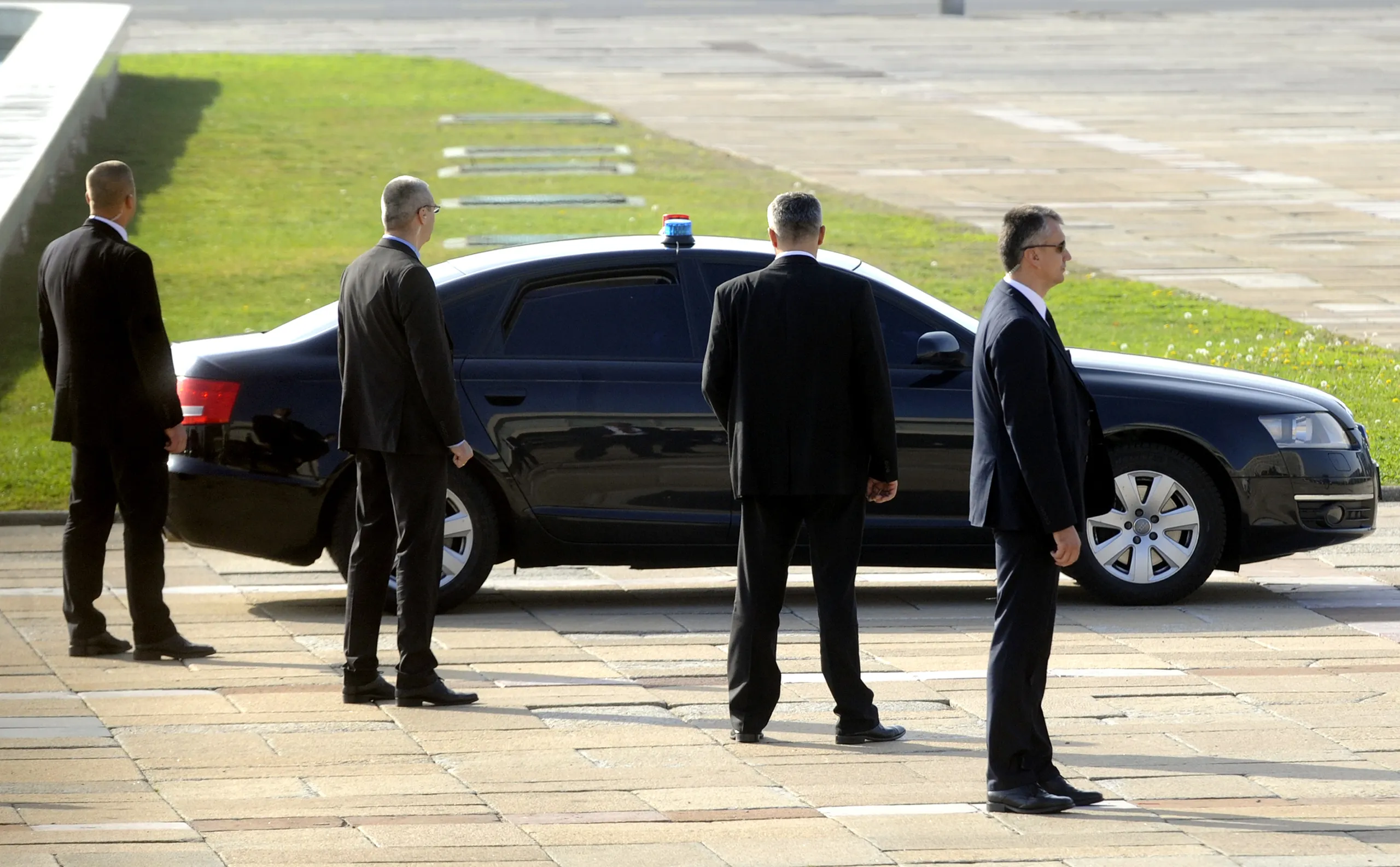
For most engagements in Singapore, professional close protection is discreet, business-appropriate, and calibrated to the specific reason it is commissioned rather than to a generalised threat. HNWI engagements in family-office contexts require the same discretion standard that applies in Dubai. Intelligence-environment engagements for relevant sectors include information security awareness as a standard briefing component.
For complementary services see our Singapore city page and our executive protection service overview.
Frequently Asked Questions
Request a Consultation
Describe your security requirements below. All enquiries are confidential and handled by licensed consultants.
Your enquiry has been received. A security consultant will contact you within 24 hours to discuss your requirements.